
Housing Inventory Index in The USA
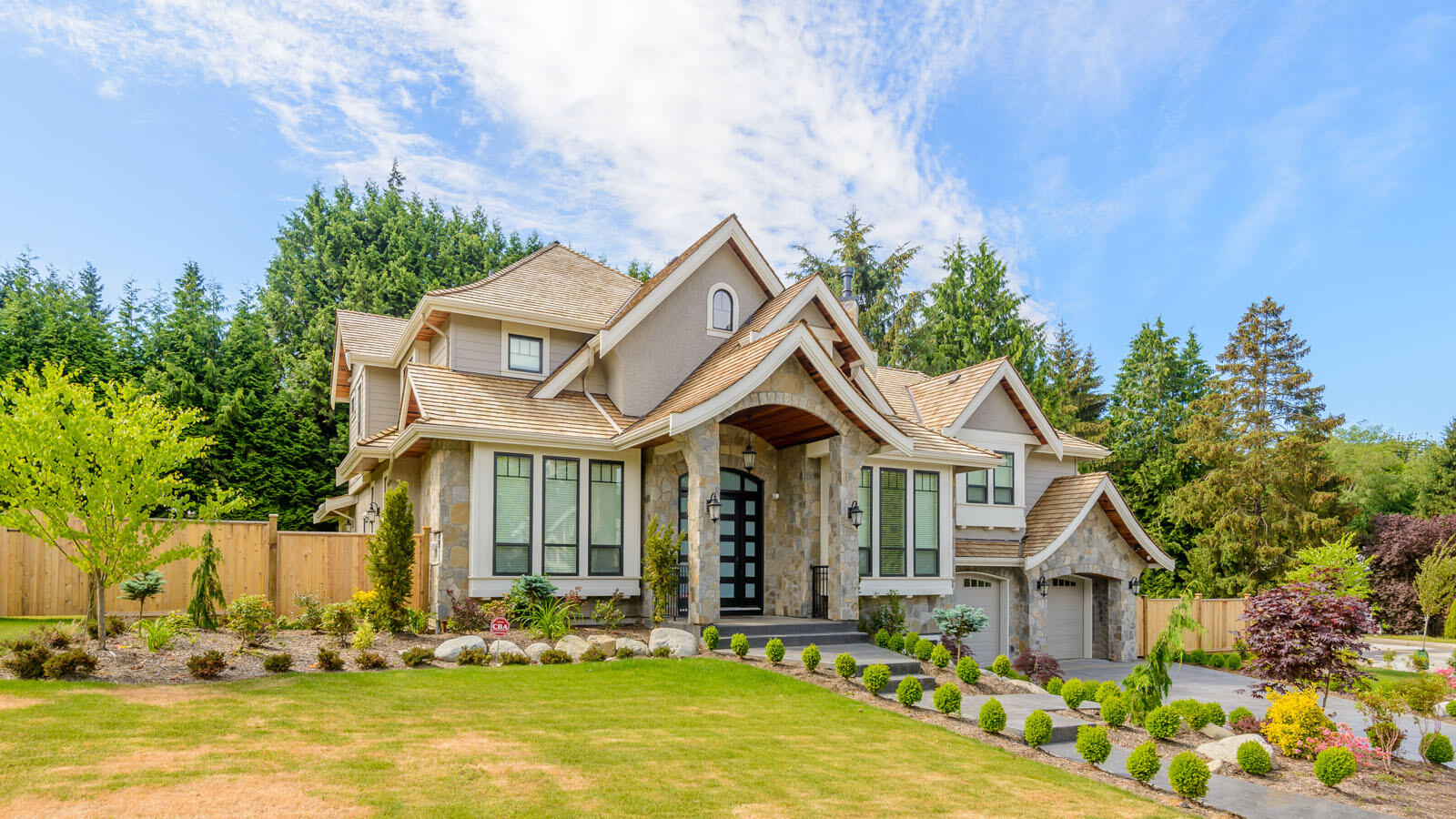
Among the biggest challenges to buying a home today is lack of supply, especially for first-time and low-to-mid-income homebuyers. Homeowners, potentially flush with cash when they sell their homes, are also stymied as 28% choose not to sell because they can’t find a new home to buy, says Realtor.com. So, the titular housing information site researched its first annual top ten markets for first-time homebuyers for 2022.
Strong job markets, short commute times, plenty of places to eat and drink, a younger population, affordability and more homes from which to choose were the criteria. In 2021, these markets had 72.9 active listings per 1,000 households compared with the national rate of 44.9: Magna, Utah; Chalco, Nebraska; Mauldin, South Carolina; Beech Grove, Indiana; Portsmouth, Virginia; Cottage Grove, Wisconsin; Grimes, Iowa; Kuna, Idaho; Ferndale, Michigan; and Maitland, Florida. Kuna, Idaho had the most homes to choose from with 160 active listings per 1,000 households.
With affordability paramount, and with many household heads able to work remotely, less robust and expensive housing markets are increasingly attractive to homebuyers. At $67,521 in income, the median household can afford a mortgage on a $250,000 home, but the median home price is currently $428,700, making relocation to a different community or state a good option.
Worldpopulationreview.com identified states with several things in common – smaller city populations, large rural areas, large square foot homes, low property taxes, and high homeownership rates, culminating in the following list of the top ten cheapest states in which to buy a home in 2022:
· West Virginia. The typical home value is $129,103, 1,792 square feet, a property tax rate of .59%, or about $762 annually, and a homeownership rate of nearly 80%.
· Mississippi. The typical home price is $157,828, 1,879 square feet, a property rate of 0.81, or about $1,278 annually, and a homeownership rate of 74.8%.
· Arkansas. The typical home value is $169,867, 1,792 square feet, a property tax rate of 0.63%, or about $1,070 annually, and a homeownership rate of 66.5%.
· Oklahoma. The typical home price is $171,057, 1,746 square feet, a property tax rate of 0.90%, or about $1,540 annually, and a homeownership rate of 67.3%.
· Iowa. The typical home value is $183,418, 1,550 square feet , a higher property tax rate of 1.56%, and a 75.6% homeownership rate.
· Kentucky. The typical home value is $188,439, 1,750 square feet, a property tax rate of 0.86%, or about $1,621 annually, and a 68.5% homeownership rate.
· Alabama. The median home price is $194,695, 1,800 square feet, a property tax rate or 0.42%, or about $818 annually, and a 71.5% homeownership rate.
· Kansas. The typical home costs $198,199, 1,782 square feet, a property tax rate or 1.41%, or about $2,795 annually, a property tax rate of 1.41%, or about $2,795 annually, and a 69.3% homeownership rate.
· Ohio. The typical home value is $199,959, 1,620 square feet, a property tax rate of 1.58%, or $3,159 annually, and a 67% homeownership rate.
· Louisiana. The typical home costs $205,972, 1,786 square feet, a property tax rate of 0.55%, or $1,133 annually, and a 69.7% homeownership rate.
Lower housing prices tend to support higher homeownership rates. According to the latest census data, 65.4% of U.S. households own their home. Compare that to The District of Columbia which has the third-highest home prices in the U.S. at 701,895 for a typical 1,440 square foot home and where only 40.3% own their homes. In California, the median home is $760,800, 1,625 sq. ft. and only 54.2% of residents own their homes.
Upnest.com advises that homebuyers create a checklist when considering where to relocate. Along with average local home prices, homebuyers should look at homeowner’s insurance, utilities, food costs, closing costs, and mortgage interest rates, which can vary widely from state to state.
Bankrate.com researched common causes of property loss in each state and reviewed average premiums to find that the national average cost of homeowners insurance is $1,383 per year for $250,000 in dwelling coverage. Depending on how often and how badly a state succumbs to natural disasters such as earthquakes, tornadoes, hurricanes, floods and other severe weather patterns, insurance premiums can vary by the thousands of dollars. Tornado Alley states Oklahoma, Nebraska and Kansas have among the highest homeowner insurance costs at $299 and $233 per month, respectively where high winds, hail damage, and flash flooding are also risks. Insurance for flooding is typically sold separately as a rider on the basic homeowner’s policy, which raises insurance costs even more. At $175 per month, Arkansas is at risk for earthquakes, flooding, and tornadoes.
Utilities vary widely, too. Move.org suggests that homeowners will pay an average of $400 a month for electricity, natural gas, water, internet, and broadband services. The states with the lowest average utility bills, were New Mexico ($267.49), Wisconsin ($289.91), Florida ($290.22), Nevada ($290.41) and North Dakota ($303.09).
As of April 2022, average food prices at home increased 10.8 percent, the largest 12-month percentage increase since the period ending November 1980. The top three states for affordable grocery shopping are Missouri, Mississippi, and #1 – Oklahoma, found the Missouri Economic Research and Information Center. What are closing costs?
Average closing costs for homebuyers were $6,905 with taxes and $3,860 without in 2021, but they vary by lender and the other services needed to close a home. Closing costs typically cover credit checks; title searches and insurance; appraisals; attorney’s fees; origination, application and underwriting fees; and transfer taxes. The most affordable places to close on a home are Mississippi ($2,756, $1,810), Wyoming ($2,589, $2,069), North Dakota ($2,501, $2,067), Indiana ($2,200, $1,447) and #1 Missouri ($2,061, $1,405.)
The cost of living, an index derived for each state by averaging the indices of participating cities and metropolitan areas in each state and comparing them to the U.S. as a whole at 100%. Six of the previously named cheapest states appeared in the top ten: Mississippi (83.1), Oklahoma (84.8), Kansas (85.4), Alabama (87.9), Iowa (88.1), and Arkansas (89.9.)
Mortgage interest rates are predicted to be 5.7% by late 2022. Lenders use the following criteria to establish individual rates: credit scores; amount of down payment; property location; loan amount/closing costs; loan type, loan term, interest rate type. The states with the lowest mortgage interest rates are: Massachusetts – 0.14% lower; New York – 0.10% lower; New Jersey – 0.08% lower; North Dakota – 0.05% lower; Connecticut, Nebraska, Hawaii, Florida – 0.04% lower.
Ultimately, the most important factor in finding a home is your own financial stability. To determine the affordability of a home, your housing costs should not be more than 30% of the household budget, including monthly payment, taxes and insurance.


