
5 Reasons to Get Permits for Your Next Remodeling Project
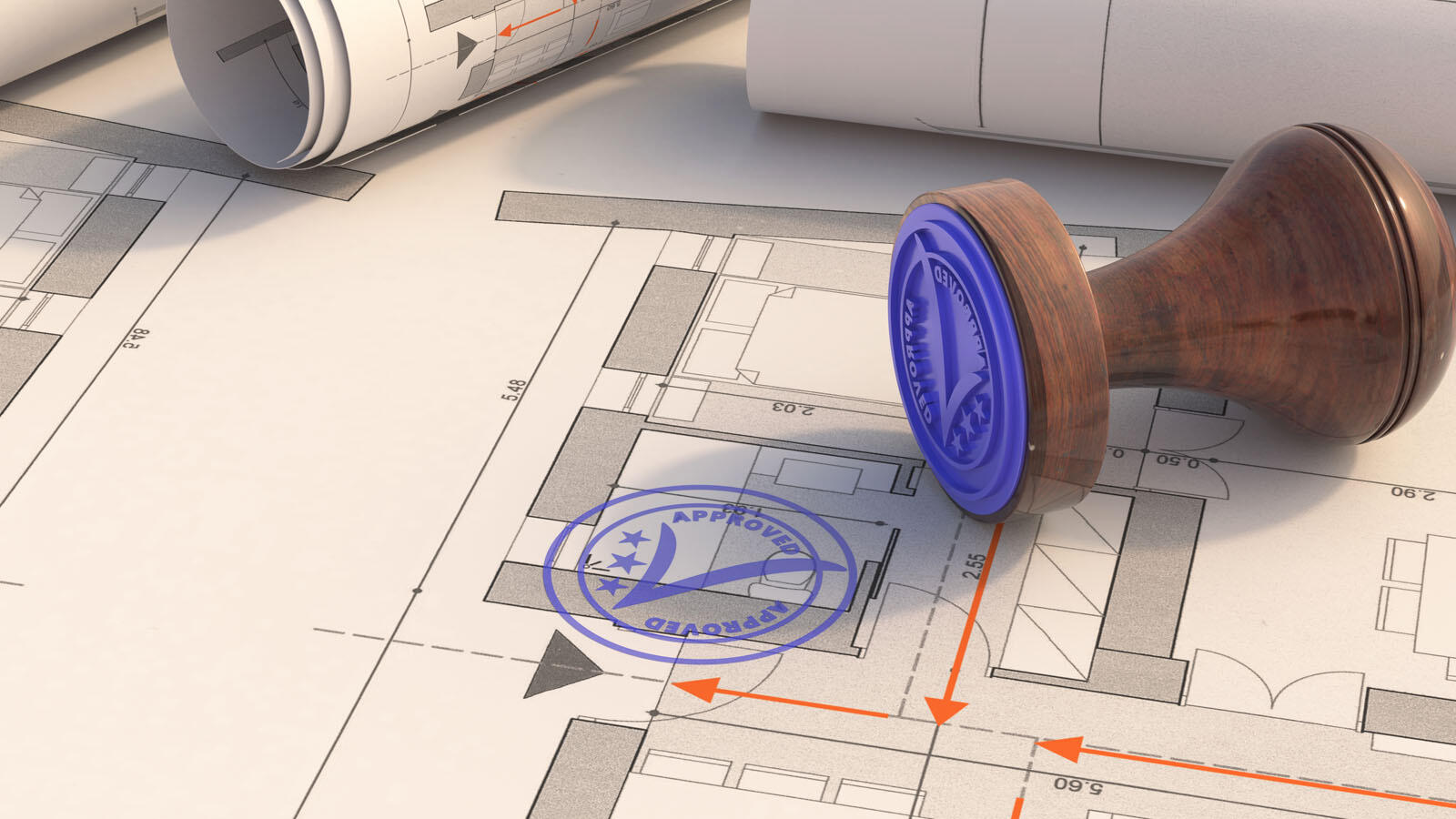
Before you begin any remodeling project on your home, you need to find out if any, all or none of your planned improvements require a building permit. The key word here is building. Do you need a permit to paint your house? Install new appliances in the kitchen? Replace your windows? Probably not, because you’re not building anything, but it’s better to be safe than sorry.
Local community authorities including cities, towns, and counties issue building permits so they can protect the public and you as the homeowner from dangerous shoddy construction and to ensure that your changes and installations are up to current safety codes, which are periodically updated for safety and sustainability.
According to PeForHire.com, a building permit is a “document that provides official permission to proceed with a home improvement project.” Permits involve paying an application fee to the municipality to examine, inspect and provide final approval for your project. Fees vary widely, from flat fees to fees based on the total projected cost of the project. Most applications can be made online.
As the homeowner, you’re responsible for having the correct permits, even if you hire a contractor to do the job and they pull the permits. If so, you should double-check with your municipality that all appropriate permits have been pulled that relate to the job.
Before you go to the trouble of applying for permits, what needs to happen first? That depends on the scope of your project. If you’re planning to tear down a home and rebuild, or move structural walls, add square footage, change the footprint of your existing home, update significant structures like the roof, wiring panels or plumbing, you need to contact your city or county’s building department to get an application for a permit. Your state contractor licensing laws may require that any plumbing or mechanical work must be done by a licensed practitioner. You may be allowed to do the work yourself, but you’ll still need a permit, so you’ll have to prove that you have the knowledge for the scope of the project and are willing to comply with the state’s plumbing and mechanical building codes.
Some regulations may appear arbitrary. Don’t assume that installing a new roof or a new fence won’t require a permit. You may be able to repair your own roof if the repairs are $500 in Dallas, but over that amount you’ll need a permit. Realtor.com explains that your building permits website should offer a fee schedule. In Miami, Florida, a permit for building a wood fence costs 70 cents for each linear foot, while in Northport, Alabama, a fence permit for any length is a flat $15.
Cosmetic improvements such as replacing flooring, wallpapering, swapping out plumbing and electrical fixtures may or may not require a permit, so you should check with your local building permit agency to see which improvements do.
If a permit’s required, be patient with the sometimes long and tedious bureaucratic process. You’ll have to supply detailed building plans, including drawings, budget details, and projected start and finish dates. You may be able to check with the building department to see if they have suggested plans if your project is simple. The building department may come out occasionally to make sure the work is proceeding to meet codes. Some homeowners hire plumbing and mechanical professionals to pull the permits in order to save time and avoid errors on applications.
Many improvements require approval in homeowner association-managed communities, so even if you want to do something as small as paint a front door a fresh, new color, you need to look at your HOA documents to see what the association allows and doesn’t allow. State law can restrict how much control an HOA has over exterior improvements. In Florida, for example, the HOA’s covenants must specify acceptable and non-acceptable colors. If your color choice is close but not exact to the HOA’s approved palette, you’ll need to submit your paint swatch and other plans you may have to the HOA’s architectural review committee. Remember that the association is composed of homeowners who’re your neighbors, so make your application politely in writing. If the ruling doesn’t go your way, ask the committee to produce samples of acceptable choices.
There are also rules for altering the exterior of homes in an historical preservation or conservation district, which are designed to protect important areas of the city’s past and/or its distinctive architecture and character.
Just in case it’s crossed your mind to skip the hassle and proceed with your project without a permit, think carefully. Residential building codes exist for many reasons, and according to MyBuildingPermit.com, these are most important:
1. Permits help protect property values. If your home is appraised by your lender for an equity loan or by a homebuyer’s lender for a purchase loan, unpermitted work may be excluded in the valuation.
2. Permits save you money. If you’re adding square footage or changing the structure of your home, your homeowner’s insurance may not cover work or damages done without permits and inspections. You could be asked to stop construction, causing expensive delays.
3. Permits make selling your property easier. When you sell a home through a multiple listing service, you must disclose repairs and improvements. You may be surprised to learn that lenders, real estate agents, property tax authorities and others can you’re your address to check in with code enforcement authorities to make sure that you pulled the correct building permits and that the local building authority provided you proof of a final inspection.
4. Permits improve safety. Your permits help you meet minimum safety standards for public safety which make it less likely that you, family, guests, and future owners will come to harm. If faulty wiring causes your home to erupt in flames, the fire and smoke damage could spread to other homes. Think of building department inspections as being for your protection and another layer of professionalism to complement your or your contractor’s expertise.
5. Permits are law. City ordinances may impose fines and penalties for unpermitted work, make you tear out the work, or make you redo the work, all of which will cost you time, money, labor, and materials.
Once your permits are approved, you’ll be given a timeline to begin and complete the improvements. Keep copies of all documents related to your project, especially permits and final municipal approval.


