
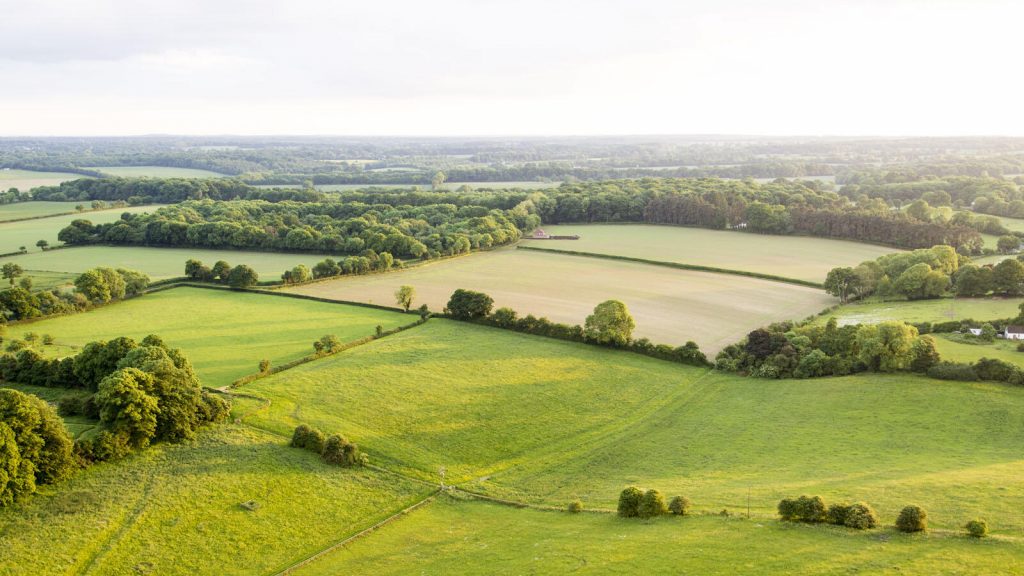
One of the latest trends in real estate is that billionaires are buying farm and ranch land in the U.S. Microsoft co-founder Bill Gates has purchased 270,00 acres. John Malone, former CEO of Tele-Communications Inc., owns 2.2 million acres, making him one of the largest landowners in the U.S., along with Ted Turner, founder of CNN, and the Emmerson family in California, who own. 2.7 million acres, mostly in timber. And because the U.S. has no citizenship requirement to own property, non-resident investors are also buying land, typically with 50% down or all cash.
It’s estimated that 90% of millionaires were created through real estate investing, which could mean anything from investing in REITS, as Warren Buffett, founder of Berkshire Hathaway has done, to buying up land to use for recreation, agriculture, ranching, wind farms, and solar energy panels.
The decade’s soaring housing prices has made many homeowners wealthy on paper, and perhaps that’s turning investors’ attention toward land sales, which has a low entry bar compared to buying urban and suburban homes for investment. According to Agri-pulse.com, a combination of rising interest rates, land availability, and inflation-hedging is driving investors to put money in acreage.
One strategy is to buy and hold, a great way to build generational wealth and delay capital gains taxes. Equity is built over time which requires a lot of patience. Linkedin.com advises that land investment is fairly stable and a great way to create passive income, such as leasing the land to farmers or cattle ranchers. You can also buy an undeveloped property zoned for either residential or commercial uses. You can sell the lot to a homebuilder as the area develops, or and start a business to address what’s missing in the area that would likely be well received by residents, like coffee shops, grocery stores, and child daycare.
An acre is 43,560 square feet, about the size of a football field from inside the 10-yard lines. To give you an idea of values, an acre of farm or pastureland in New Jersey is about $14,800 to $13,400 respectively. Premium land in metro New Jersey is about $196,410 per acre. Contrast that to Wyoming, where farm and pastureland is an average $790 to $1,558 per acre for premium land. What a difference wide open spaces make!
So, where do you want to own land and what do you want to do with the land you buy? There are four criteria to help you choose the right land for your investment – location, land use, economic influences, and esthetics.
Location. It’s more than a mantra and it’s key to costs and availability. Land that’s developed, close to transportation hubs, city amenities and services, and natural resources is going to be more valuable than land near factories, industries, power plants, and water treatment plants. Undeveloped land can lack services such as electricity, so building a home or a business would have to be from scratch.
What makes land valuable is in its usefulness and desirability. Study.com explains that there are six types of use for land – residential, commercial, agricultural, transportation, recreational, and industrial. A further way to breakdown land use is land classification of soil, flora, fauna, and climate and their influences on land capability for use:
Class 1 – slight limitations
Class 2 – moderate limitations
Class 3 – severe limitations reducing choice of plants and reduces careful management
Class 4 – very severe limitations reducing choice of plants and requires very careful management
Class 5 – little to no hazard of erosion, but limited use for pasture, rangeland, forestland, or wildlife habitat
Class 6 – severe limitations, unsuited to cultivation, limited use for pasture, rangeland, or wildlife habitat
Class 7 – very severe limitations, unsuited to cultivation, limited use for pasture, rangeland, or wildlife habitat
Class 8 – limitations that preclude use for commercial plant production, limited use to recreation, wildlife habitat, water supply, infrastructure, or esthetic purposes.
These types of classifications are important to know if you plan to develop a property for agriculture, livestock, or to build a dream home.
Economic activity impacts land and its uses. Land is composed of resources that can all be used by humans, such as soil, trees, wildlife, plant life, and waterways and the costs to utilize resources creates an economy that can flourish, but fluctuate. Cities and towns where opportunities and jobs are plentiful, have land that’s more valuable. If an area loses jobs, land becomes less valuable.
Acreage close to a vibrant area will increase in value even if it’s rural. One example is Colorado, where ski resorts outside of Denver and Boulder are in the mountains, but close enough to be an easy commute for vacationers. The median home sold in Vail, a high-end resort area, is $1.4 million. But cropland is estimated to be $2,000 per acre.
If there are natural barriers to growth, acreage will also increase in value. The Alaska coastline is beautiful, and the economy is steady with fishing and tourism, but towns such as Juneau, Skagway, and Ketchikan are limited in how much they can grow because they’re boxed in by the ocean on one side and by the pristine mountains and rainforests managed by the National Park Service on the other. Despite the incredible beauty of the state, its remoteness, relatively short tourist season, and arctic weather keep it from being more expensive than it is.
Esthetics or natural beauty of a location can impact land values tremendously simply for the views. According to the University of Washington’s College of Environment, “homes that are adjacent to naturalistic parks and open spaces are valued at 8-20% higher than comparable properties, with the positive price effect declining to near zero about ½ mile away.” The researchers also found that mature trees in a high-income neighborhood can influence values by as much as 10% to 15%. Rental rates for commercial offices are 7% higher than competitors when the building boasts high quality landscaping.
The more land that’s developed, the more valuable it is, but developed land also makes raw land more desirable because there’s less of it available for the future. To start land investing inexpensively, start with farmland, the nearer to bustling communities, the better. Or start with a lot in the city, and if possible, leave the trees.


